

 See My Latest Article on HelloNation
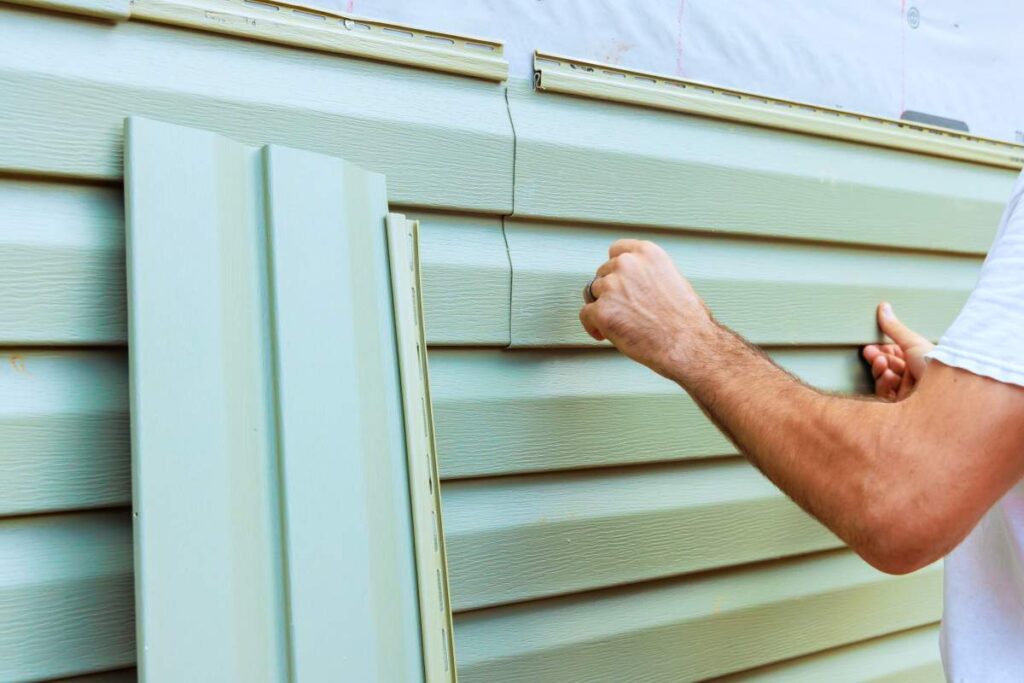
What Should Local Residents Consider First When Selecting Siding Materials?
Start by weighing climate durability, home style, and maintenance needs. Siding has to handle Reading, PA’s humid summers, freeze-thaw cycles, and frequent rains while also matching the character of area homes. Many residents focus only on price or appearance, overlooking longevity, insulation, or neighborhood context.
Key local priorities often include:
- Resistance to moisture and rot
- Performance through cold winters and warm, wet summers
- Suitability for older homes and historic districts
- Energy efficiency for year-round temperature swings
- Upkeep requirements, as some materials weather faster in the local climate
How Does Siding Material Type Affect Performance in Reading, PA?
Siding options respond differently to the region’s weather and landscape. Here’s how the common choices compare:
Vinyl Siding
A popular option for area homes due to its affordability and variety of colors and textures. Vinyl resists moisture, meaning it won’t rot or peel in Reading’s rain, but it can crack or become brittle over several harsh winters. While it’s easy to wash, trapped moisture behind panels can sometimes lead to hidden issues in high-humidity months.
Fiber Cement
Favored for holding up well against both heavy downpours and cold snaps. It mimics wood’s look but resists rot and pests. This material also provides good fire resistance. However, its weight and rigid nature may necessitate professional installation and it tends to need repainting every decade or so.
Engineered Wood
Offers the warmth and look of traditional wood siding but with better resistance to moisture and insects. Still, it can be vulnerable to swelling or warping if installed improperly or if seams are left unsealed, which is especially risky with the city’s frequent spring rains.
Wood Siding
Seen on many older homes in the community, real wood adds historic character and charm. However, it requires regular sealing and painting due to the region’s moisture, otherwise rot and fungal growth can become problems. Wood siding also supports better insulation vs. some cheaper alternatives.
Aluminum and Other Metals
Metal siding resists rot and pests, reflecting some summer heat, but can dent from hail—occasional in the city’s spring storms. It may also fade over time in direct sun, affecting curb appeal for some homes.
What Siding Options Offer Good Insulation for Local Winters and Summers?
Insulated siding helps keep homes comfortable during both January cold snaps and humid July heatwaves. Siding alone does not replace wall insulation, but material choice can reduce temperature swings and lower energy use.
- Insulated vinyl siding includes built-in foam, which boosts thermal performance beyond hollow core styles.
- Fiber cement and engineered wood provide moderate insulation when paired with a high-quality underlayment or foam board.
- Traditional wood, when maintained well, helps prevent drafts but depends heavily on installation quality and caulking.
- Metal sidings usually provide the least insulation unless combined with added backing layers.
For homes with older construction, upgrading wall insulation during siding replacement can offer measurable savings over time.
Which Siding Materials Require the Least Maintenance for Busy Area Families?
Those seeking minimal upkeep usually choose vinyl or fiber cement. Both can be cleaned with a garden hose or light power-washing, and basic yard debris tends to wash away.
- Vinyl needs occasional rinsing; look out for grime and algae in shaded areas.
- Fiber cement only requires spot repainting every several years if factory paint is used.
- Engineered wood and traditional wood need annual checks for cracked caulking, peeling paint, or wood bore insects.
Local residents sometimes overlook the long-term work: repainting wood or fiber cement, replacing vinyl panels after hail, or checking for trapped water near ground level.
Are Any Siding Materials Better for Historic or Older Homes in the City?
Homes near historic districts or built before 1940 may be subject to local permitting or guidelines. Preserving a home’s architectural style often means wood, fiber cement, or engineered wood are preferred for their ability to mimic historic details and maintain neighborhood character.
Retrofit projects often utilize:
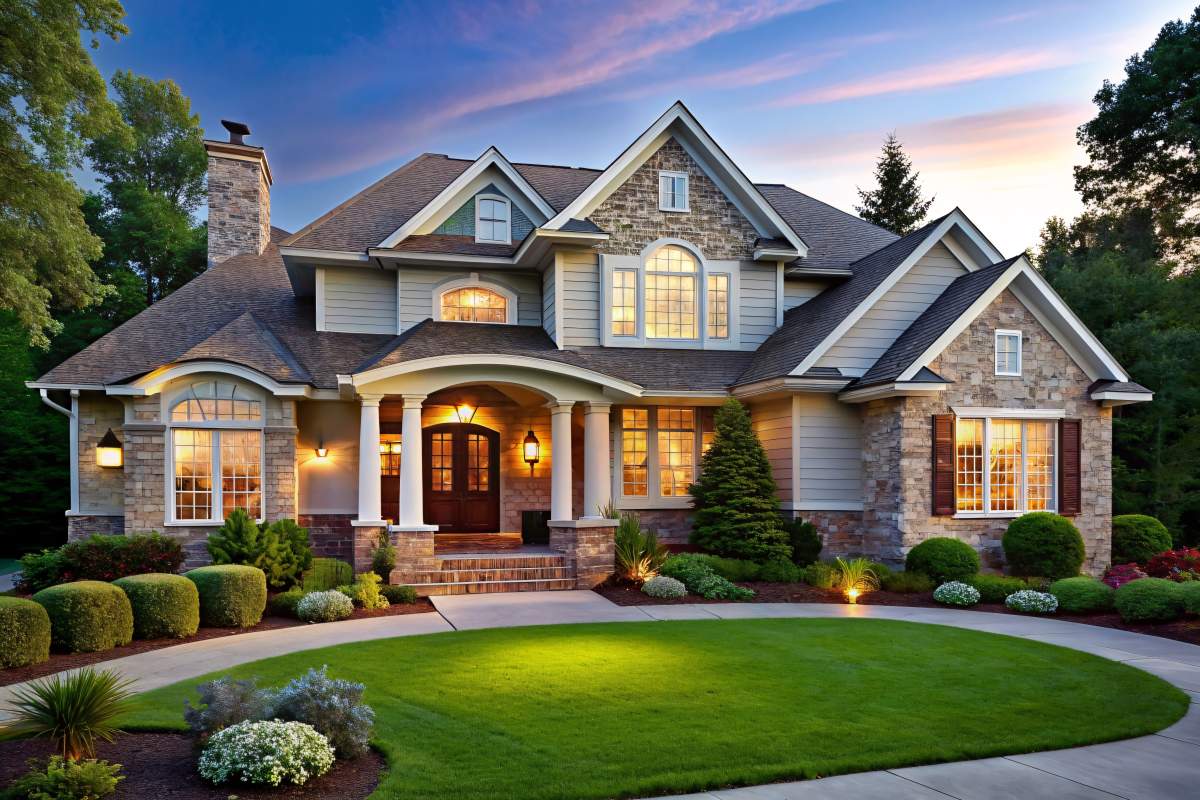
- Wood lap, cedar shingles, or composite boards for authenticity
- Paintable options to match original color schemes
- Careful attention to trim, corner boards, and window surrounds
In certain areas, vinyl or aluminum may be discouraged or not allowed for visible street-facing facades.
What Common Mistakes Do People Make When Choosing Siding?
Local homeowners sometimes select a material based solely on price, color, or trend, without checking for fit with their property’s construction or weather exposures.
Frequent mistakes include:
- Ignoring moisture management—certain home layouts may trap water, leading to rot or mold if ventilation isn’t addressed
- Not understanding maintenance demands—assuming all “low maintenance” products are truly hands-off for decades
- Overlooking insulation improvements during siding replacement
- Failing to research neighborhood or municipal guidelines for visible home changes
Taking time to review the home’s sun exposure, tree cover, and proximity to busy roads (for noise or grime) helps narrow choices.
How Can Local Weather and Seasonal Changes Affect Siding Lifespan?
Siding faces expansion, contraction, and weather-driven wear in the city’s four-season climate. Cold winters can cause brittle panels to crack while humid summers lead to algae growth and faster paint fade.
Seasonal tips:
- Inspect after freeze-thaw cycles for gaps or cracks
- Clean off pollen and mold each spring, especially in shaded areas
- Ensure gutters drain properly to limit splash-back or water intrusion near siding bottoms
- Trim back vegetation to provide air flow and reduce dampness
Choosing options built for repeated moisture exposure and temperature swings yields longer-lasting, better-looking results.