

 See My Latest Article on HelloNation
What Makes Vinyl Siding a Common Choice in Reading, PA?
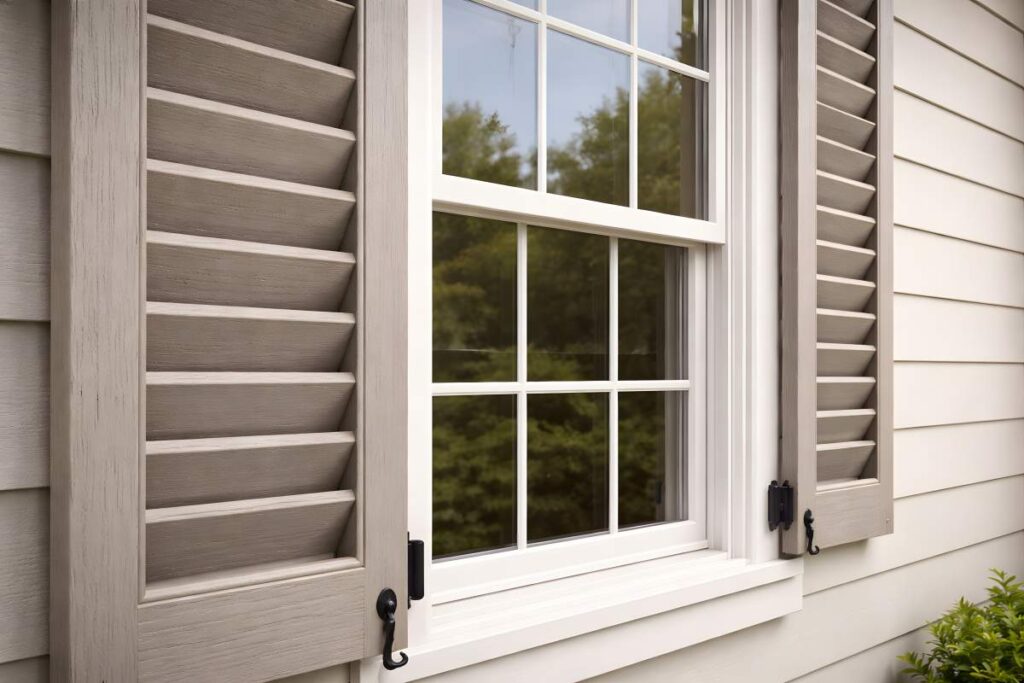
Vinyl siding is a popular exterior cladding option among area homeowners due to its affordability, range of styles, and lower maintenance demands. In Reading, its use is widespread on both older and newer homes. Residents often choose vinyl to refresh the appearance of aging exteriors or to minimize routine upkeep, especially with the city’s varied seasonal weather.
How Well Does Vinyl Siding Withstand Reading’s Climate?
Vinyl siding generally performs reliably through the four seasons found in the region. It’s resistant to moisture, which is helpful in local humid summers and during winter freeze-thaw cycles. Vinyl panels don't rot, warp, or attract insects—issues that sometimes affect wood siding.
However, extreme temperature swings can occasionally cause vinyl to expand and contract, potentially leading to warping or buckling if not correctly installed. Severe hailstorms have been known to dent or crack panels, and summer sun exposure may gradually fade or weaken lower-quality products.
What Maintenance Does Vinyl Siding Require?
Area households appreciate that vinyl siding needs less hands-on care than painted wood or fiber cement. Occasional cleaning (often just with a garden hose and mild detergent) typically removes pollen, dust, and mildew stains that accumulate due to regional humidity and tree cover.
Unlike some alternatives, there’s no need for regular scraping or repainting—color is baked into the material. But while minor dings are easy to overlook, more noticeable damage requires panel replacement since vinyl can’t be patched or sanded.
Is Vinyl Siding an Affordable Option for Local Homeowners?
Vinyl siding is often chosen for its relatively low upfront price and cost-effective installation when compared to wood, stucco, or stone facades. These savings can be especially appealing for area residents prioritizing exterior updates on a budget or attempting to boost curb appeal before selling.
It’s important to remember, though, that pricing varies according to profile style, insulation backing, and the details of a home’s architecture (windows, trim, or complex gables increase labor costs). While basic panels provide practicality, more expensive options with added thickness or foam backing improve durability and insulation but raise the total investment.
Does Vinyl Siding Affect Home Energy Efficiency?
Traditional vinyl siding alone doesn’t add much insulation value. Many Reading residents wonder if it helps keep homes more comfortable in the city’s mix of hot summers and cold winters. Some advanced products come with integrated foam backing, which can modestly improve a home’s energy retention and reduce drafts if installed over older, poorly insulated walls.
However, siding alone is not a substitute for proper wall insulation. When considering a siding project, it’s wise to discuss whether additional insulation should be added underneath to reduce heating and cooling costs year-round.
How Does Vinyl Siding Impact the Appearance of Older Neighborhoods?
Vinyl siding comes in a broad selection of colors, textures, and shapes—many mimicking wood lap, shakes, or shingles. This flexibility allows property owners to fit the character of their block or update older bungalows, row homes, and colonials common in local neighborhoods.
Some preservation-minded residents express concern that vinyl may obscure original architecture details, and not all colors or finishes mimic historic materials accurately. Re-siding can cover distinctive trim, moldings, or decorative elements, potentially altering a home’s historic character if not planned thoughtfully.
Are There Overlooked Considerations or Misconceptions?
A frequent misconception is that vinyl siding is “indestructible.” In reality, while it resists many of the moisture problems found in wood, it’s still vulnerable to cracking from strong impacts, and meltdowns from reflected sunlight have been reported in rare cases.
Another point to consider: vinyl is not fireproof. While it won’t ignite as easily as bare wood, high temperatures from grills, fire pits, or nearby blazes can quickly damage panels. Local building codes require certain flame-spread ratings, so attention to compliance is important during installation.
What Are the Environmental Impacts of Choosing Vinyl Siding?
Vinyl siding is a plastic product (made primarily from PVC), and producing it does involve some environmental concerns. On the positive side, its longevity—often 20 to 40 years—reduces how often replacement is needed. Routine upkeep also uses fewer harsh chemicals compared to frequent repainting.
Disposal at the end of its life can pose issues, as vinyl is not biodegradable and only some facilities recycle it. Those with strong sustainability concerns may want to research locally available alternatives or recycling options before choosing vinyl.
How Do Local Regulations or Historic Guidelines Affect Siding Choices?
In certain city areas—especially historic districts or neighborhoods with unique architectural character—there may be exterior guidelines limiting or dictating siding styles. Before starting any major project, residents should check with municipal planning or historic preservation boards to confirm accepted materials, colors, and installation requirements.
Ignoring regulations can result in costly corrections, so advance research pays off, particularly for homes with local historical significance.
Bottom Line: Is Vinyl Siding Right for Every Home in Reading?
Vinyl siding’s mix of durability, affordability, and easy upkeep has made it a mainstay in Reading over recent decades. Still, weighing these pros against considerations like historic value, energy efficiency, and susceptibility to local weather extremes helps area households make a choice tailored to their goals and their home’s needs.