

 See My Latest Article on HelloNation
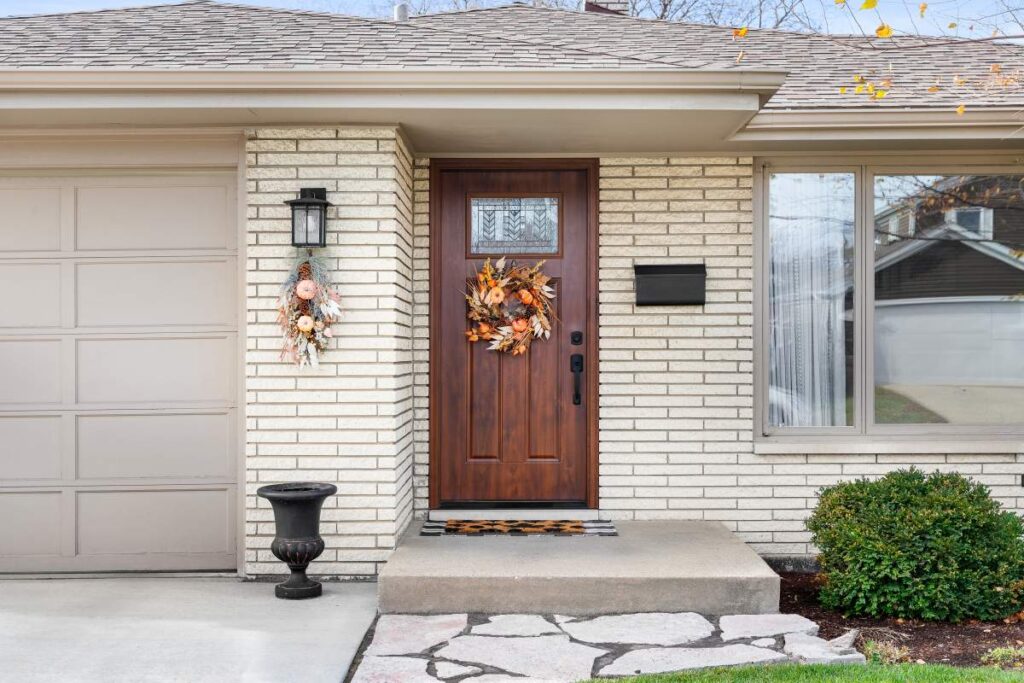
What Makes an Exterior Door Energy Efficient?
An energy efficient door helps reduce heat transfer, air leakage, and drafts, resulting in lower heating and cooling costs for area households. The main factors that influence a door's efficiency are materials, insulation, weatherstripping, glass features, and installation quality.
In Reading, where winters can be cold and summers humid, doors that limit air movement and provide a tight seal are essential. Energy efficient doors typically include:
- Insulated cores (often using polyurethane foam)
- Well-fitted frames with minimal gaps
- Low-e glass in any windows
- Durable weatherstripping along all edges
Choosing a door based solely on appearance often leads to hidden energy waste, so it's worth checking these features closely.
What Door Materials Offer the Best Efficiency?
Steel, fiberglass, and wood are the most common materials used for residential exterior doors. Each offers different benefits and trade-offs for energy and comfort.
Steel Doors
Steel doors with insulated foam cores are among the most efficient and durable. They resist warping and swelling in the region’s seasonal humidity, offer good security, and keep drafts out when properly fitted. Look for doors labeled as "thermally broken," which have a barrier between the inner and outer steel layers to prevent heat from escaping.
Fiberglass Doors
Fiberglass doors are popular in the city for their versatility and low maintenance. They resemble wood but resist moisture, rotting, and expansion. An insulated fiberglass door generally matches or outperforms steel for efficiency. These are a good fit for homes that experience direct sun, rain, or variable conditions typical to the area’s weather.
Wood Doors
Wood remains an attractive choice for historic homes, but is usually less energy efficient than modern steel or fiberglass options, especially in Reading’s damp climate. Proper finishing and weatherstripping are required to minimize drafts and moisture absorption. For those seeking the look of wood with higher efficiency, some fiberglass doors are designed to mimic the appearance of traditional wooden doors.
Are Glass Panels or Windows in Doors Bad for Efficiency?
Not all glass is created equal. While a door with a large, single-pane window loses far more heat than a solid insulated door, doors featuring modern insulated glass (such as double- or triple-pane units with a low-e coating) can be remarkably efficient, even in colder months.
Features to seek if you want natural light with efficiency:
- Double or triple glazing
- Inert gas fills (like argon) between panes
- Low-emissivity (low-e) coatings that reflect heat back inside during winter
For full-lite or half-lite doors, check for ratings and certifications (like ENERGY STAR) that reflect performance under local conditions.
How Does Proper Installation Affect Energy Savings?
A well-designed door loses much of its value if installed poorly. Even premium insulated doors will develop drafts or water leakage if the frame is out of square or the weatherstripping isn’t tight.
Key steps for energy efficient installation include:
- Ensuring the door frame is plumb and square
- Using expanding foam or caulk to seal gaps between the frame and home structure
- Checking hinges and latches to guarantee a flush, even seal with the weatherstripping
Many homes in established neighborhoods have older frames that need repairs or adjustments for a new door to fit tightly. Gaps at the threshold or around the sides are common causes of cold spots or moisture problems.

Do Energy Efficient Doors Save Money for Area Households?
Energy efficient doors usually have a higher up-front price, but many local residents see lower heating bills and improved comfort, especially if replacing older or warped models. The energy savings vary with the home's size, door placement, and whether steps like air sealing and attic insulation are also addressed.
A common misconception is that all new doors are energy efficient. In reality, efficiency varies widely by door design and build quality. Look for NFRC labels or ENERGY STAR ratings that reflect tested performance, particularly important for homes heating with fuel oil or electric resistance heat, which tend to have higher seasonal costs.
What Maintenance Steps Help Doors Stay Efficient in Reading’s Climate?
Ongoing maintenance preserves efficiency for years to come, regardless of door type. Reading’s mix of snow, rain, and summer storms makes regular checks important.
Review these tasks each season:
- Inspect and replace weatherstripping if it’s flattened, cracked, or missing
- Adjust the threshold or striker plate if you feel drafts near the bottom or sides
- Touch up paint or protective finishes on doors exposed to sun, rain, or snow
- Keep drainage slots clear on doors with glass panels or sidelites
For wood doors, reseal or refinish whenever you see peeling or fading, especially on south-facing entries where humidity and sun combine to cause damage.
What Should Residents Keep in Mind Before Choosing a Door?
Residential patterns in Reading vary, from historic homes in older neighborhoods to newer developments on the outskirts. It’s worth considering:
- Any local preservation guidelines for historic buildings
- The direction your door faces (north sides lose more heat, southern exposures see more sun)
- Whether an insulated storm door could add value in a drafty entryway
Finally, remember that windows, attic insulation, and sealing gaps throughout the house all affect overall results — an efficient door works best as part of a wider approach to comfort and energy savings.