

 See My Latest Article on HelloNation
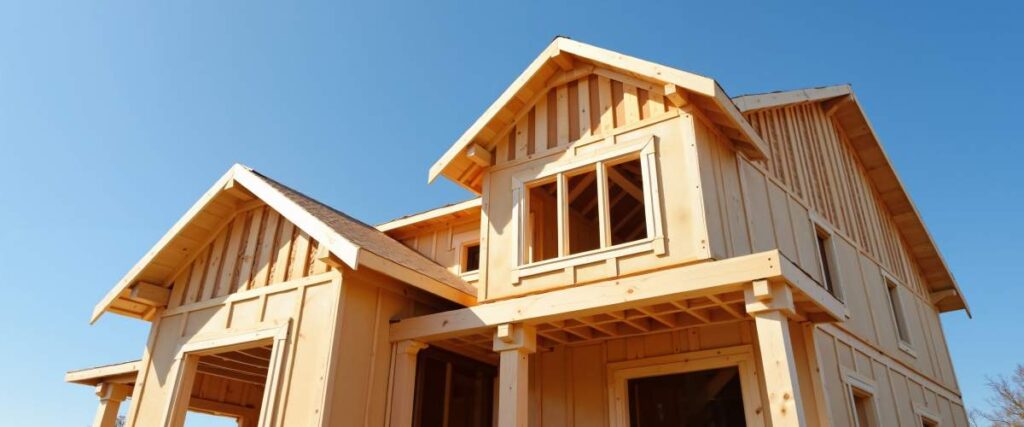
A home’s exterior influences more than first impressions. In Reading, PA, curb appeal can also affect how well a property handles seasonal weather, how inviting it feels from the street, and how confidently future buyers assess its maintenance history.
The most valuable improvements are usually not the most expensive. Clean, well-maintained surfaces, coordinated materials, dependable drainage, and attractive entry details often provide more practical value than highly customized additions.
What curb appeal improvements add the most value?
The improvements most likely to support perceived home value are those that improve condition, appearance, and function at the same time. Exterior maintenance should come before decorative upgrades.
A useful priority order is:
- Repair visible damage and water-related problems.
- Clean siding, masonry, walkways, and exterior fixtures.
- Improve the front entry and house numbers.
- Refresh landscaping without creating maintenance problems.
- Coordinate colors, materials, and lighting.
Buyers tend to notice whether a home appears cared for. Peeling paint, sagging gutters, cracked steps, overgrown planting beds, and stained siding can suggest deferred maintenance even when the interior is well kept.
Which exterior repairs should come first?
Safety and water management deserve attention before cosmetic changes. A freshly painted exterior will not solve a leaking gutter, unstable railing, or deteriorating porch surface.
Inspect these areas first:
- Roof edges, flashing, and gutters
- Downspouts and the soil around their discharge points
- Porch steps, railings, and walking surfaces
- Siding, trim, masonry joints, and foundation walls
- Window and door caulking
- Driveways, sidewalks, and retaining edges
The local freeze-and-thaw cycle can make small cracks more noticeable over time. Water entering those cracks may expand when temperatures fall, contributing to damaged masonry, loose concrete, or deteriorated wood.
Downspouts should move water away from the foundation without washing out planting beds or concentrating runoff near walkways. This is a practical curb appeal issue as well as a drainage concern: stained foundation walls, muddy soil, and eroded mulch make the entire property look less maintained.
How can the front entrance make a house look more valuable?
The front door is a visual focal point, so modest improvements there can have an outsized effect. The entrance should look clean, proportionate, and easy to approach.
Useful updates include:
- Repainting or refinishing the door when the surface is sound
- Replacing damaged or mismatched hardware
- Installing clearly visible house numbers
- Updating a dated light fixture with a properly rated exterior fixture
- Repairing loose railings or uneven steps
- Adding a simple, weather-resistant doormat
- Trimming plants that block the doorway or obscure windows
Color can help, but contrast should be controlled. A door that differs slightly from the siding or trim can draw attention without making the facade appear fragmented. If the home already has several exterior materials, a restrained door color may create a more balanced appearance than another bold accent.
Lighting should improve visibility rather than create glare. Fixtures near the entry, garage, and walkways can make the property feel more secure and easier to navigate after dark.
Does landscaping increase curb appeal?
Landscaping can improve curb appeal when it frames the house and remains manageable throughout the year. The goal is not to fill every open space with plants. A clear view of the entry, windows, and architectural features usually creates a stronger impression.
For area households, planting decisions should account for heat, winter exposure, salt near roads and walkways, and periods of heavy rain. Practical landscaping may include:
- Defined planting beds with clean edges
- Low-maintenance shrubs placed away from siding and windows
- Trees trimmed to preserve roof clearance and visibility
- Mulch or ground cover that reduces exposed soil
- Native or well-adapted plants suited to local conditions
- A clear path from the sidewalk or driveway to the entrance
Large shrubs planted too close to the house can hide windows, trap moisture against siding, and make routine maintenance difficult. Tree limbs that touch the roof can contribute to debris buildup and surface wear.
Seasonal cleanup also matters. Fallen leaves in gutters, dead annuals, weeds in cracks, and winter debris around the foundation can make a well-designed property appear neglected.
Should siding, paint, or masonry be updated first?
The right choice depends on the material’s condition. Cleaning and minor repairs may be sufficient when the surface is structurally sound. Replacement or major refinishing becomes more reasonable when there is widespread deterioration, recurring moisture damage, or a visibly inconsistent appearance.
Before choosing a color or finish, examine the entire exterior:
- Roof color and material
- Existing trim and shutters
- Foundation or masonry tones
- Porch, deck, and railing finishes
- Neighboring homes and the character of the street
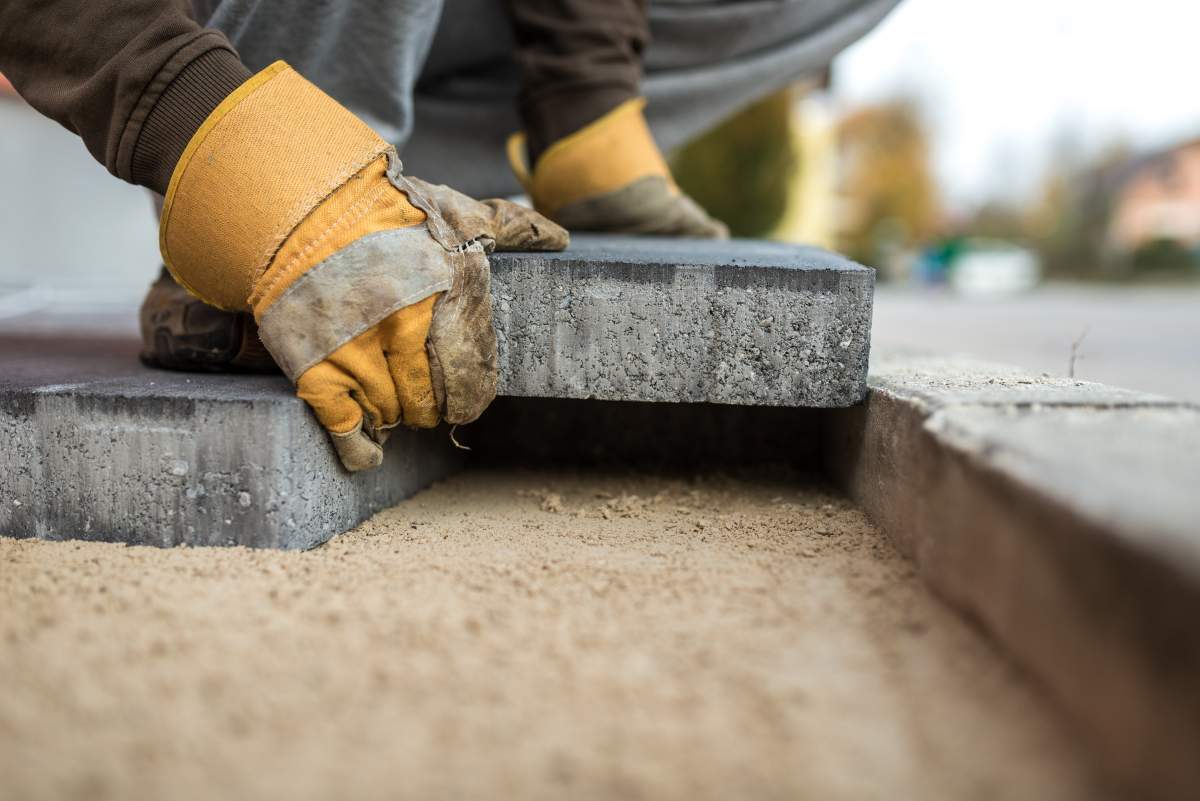
A coordinated palette generally has three roles: a main exterior color, a trim color, and one limited accent. Too many competing colors can make a smaller or older home appear visually busy.
Paint should not be used to conceal active moisture problems. Blistering, bubbling, soft wood, staining, or recurring peeling may indicate that water is entering behind the finish. Correcting the source should come before repainting.
Masonry deserves similar care. Mortar joints that are cracked or missing may allow water into the wall assembly. Aggressive cleaning methods can also damage older brick or stone, so the surface and cleaning approach should be considered together.
What small upgrades improve appearance without overspending?
Several low-cost changes can make the exterior look more orderly:
- Wash or gently clean visibly dirty surfaces.
- Remove unused hooks, damaged planters, and outdated signs.
- Straighten shutters, mailbox hardware, and address numbers.
- Replace burned-out exterior bulbs.
- Edge walkways and planting beds.
- Touch up exposed wood and rust-prone metal.
- Store hoses, bins, toys, and tools out of the main entry view.
- Keep porch furniture limited and appropriately sized.
These details work because they reduce visual distraction. A property does not need elaborate landscaping or luxury materials to appear attractive. It needs consistent upkeep and a clear sense of organization.
Which curb appeal changes can reduce value?
Some improvements create more maintenance, conflict with the home’s design, or raise concerns for future buyers. Examples include:
- Oversized additions that make the entrance difficult to use
- Highly unusual paint colors that dominate the facade
- Plants that block windows or damage foundations
- Decorative stone or concrete that directs water toward the home
- Bright lighting aimed into neighboring windows
- Covering original architectural details without considering the rest of the exterior
- Installing features that require frequent upkeep but are poorly maintained
The most successful exterior updates usually look as though they belong with the house. A modest, well-maintained entrance often contributes more than an expensive feature that appears disconnected from the property.
How should homeowners plan exterior improvements?
Start with a walk around the property during daylight and after rainfall. Take notes on visible damage, drainage patterns, worn finishes, and areas that are difficult to maintain. Photographing the exterior from the street can also reveal problems that are less obvious when standing close to the house.
Separate the work into three categories:
- Immediate: safety hazards, active leaks, unstable steps, exposed wiring, or major drainage problems
- Near-term: peeling finishes, damaged trim, cracked masonry, worn lighting, or overgrown vegetation
- Optional: decorative planting, accent colors, upgraded hardware, or additional outdoor features
This approach helps prevent spending money on appearance while basic exterior problems remain unresolved. It also allows improvements to be coordinated rather than completed as unrelated projects.
For homes with steep roofs, elevated porches, significant structural damage, suspected lead-based paint, or electrical concerns, specialized evaluation may be necessary for safety and compliance. Otherwise, regular cleaning, seasonal inspection, and thoughtful maintenance can preserve much of the value created by curb appeal improvements.