

 See My Latest Article on HelloNation
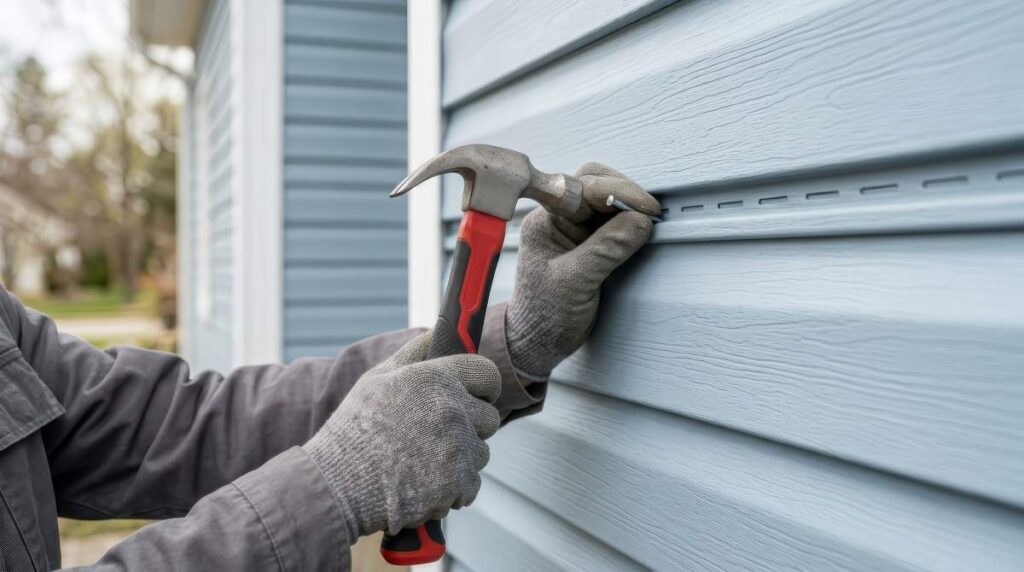
Exterior remodeling rarely has a single ideal season for every project. In Reading, PA, the best timing depends on the work involved, temperature and moisture conditions, material requirements, household needs, and how much weather risk the project can tolerate.
For many major exterior projects, late spring through early fall provides the most workable conditions. However, certain tasks are better completed in cooler months, and waiting for the busiest season can create scheduling challenges.
What season is best for exterior remodeling?
Late spring, summer, and early fall are generally the most practical seasons for exterior remodeling because temperatures are more consistent and daylight lasts longer. These conditions are useful for roofing, siding, exterior painting, window replacement, masonry repairs, decks, porches, and drainage improvements.
Each season has strengths and limitations:
- Spring: Good for inspections, repairs, and projects that need to address winter damage, but rain and damp surfaces can delay work.
- Summer: Usually offers the longest stretches of workable weather, although high heat, humidity, and busy schedules can affect some materials and projects.
- Early fall: Often provides comfortable working temperatures and lower humidity, making it a strong period for many exterior improvements.
- Late fall and winter: Better suited to planning, interior preparation, emergency repairs, and selected exterior work that can tolerate cold conditions.
The best season is not necessarily the most popular one. A project should be scheduled around its material requirements and the condition of the home rather than the calendar alone.
Why is late spring often a good time to begin?
Late spring can be a practical starting point because winter conditions have usually ended, but the hottest summer temperatures have not yet arrived. This period is often suitable for siding, windows, gutters, decks, porch repairs, and exterior painting.
The main concern is moisture. Surfaces may remain damp after rain, and spring storms can interrupt work. Wood, masonry, and paint need appropriate drying conditions. Applying coatings or installing materials over wet surfaces can lead to poor adhesion, staining, swelling, or premature failure.
Before beginning, inspect for:
- Loose or missing roofing materials
- Water stains or damaged trim
- Rotting wood around windows and doors
- Cracked masonry or deteriorated mortar
- Eroded soil near the foundation
- Gutters and downspouts that overflow or discharge too close to the house
Addressing these issues early can prevent a small repair from becoming a larger project later in the year.
Is summer the best time for roofing and siding?
Summer is often convenient for roofing and siding, but it is not automatically ideal for every material. Moderate, dry weather is usually more useful than extreme heat.
Some roofing materials become flexible in warm weather, which can help with installation. Excessive heat, however, can make roof surfaces hazardous and may affect worker safety, material handling, and adhesive performance. Siding and exterior coatings can also react differently depending on the temperature of the surface, not just the air temperature.
Summer work may also affect household routines. Exterior remodeling can involve noise, temporary access restrictions, covered windows, or driveway and yard limitations. Families may need to plan around vacations, outdoor activities, and periods when children are home from school.
For projects planned during summer, it helps to allow extra time for:
- Thunderstorms and heavy rain
- Heat-related delays
- Material backorders
- Limited access around the home
- Additional cleanup after dust or debris
A clear weather window is more valuable than selecting a specific month without considering the forecast.
Why is early fall a strong season for exterior improvements?
Early fall is often favorable because temperatures are generally more comfortable, humidity may be lower, and the intense heat of summer has eased. These conditions can support exterior painting, roof repairs, siding installation, window replacement, masonry work, and deck construction.
Fall is also a useful time to correct problems before freezing temperatures arrive. Water entering through damaged trim, flashing, roofing, or foundation cracks can cause more serious issues once it freezes and expands.
Projects that depend on curing or drying should not be pushed too late into the season. Paint, sealants, mortar, concrete, and some adhesives may require minimum temperatures for proper performance. Shorter daylight hours can also reduce the amount of productive work available each day.
Homeowners considering fall remodeling should account for:
- Cooler overnight temperatures
- Increased leaf accumulation in gutters and drainage areas
- Rain from changing weather patterns
- Earlier sunsets
- The need to finish weather-sensitive work before sustained freezing conditions
The first part of fall is usually more flexible than late fall, especially for projects involving paint, concrete, or water-based products.
Can exterior remodeling be done in winter?
Some exterior work can be completed during winter, but cold temperatures, snow, ice, and shorter days narrow the options. Emergency repairs may need to happen immediately, especially when the home has active water intrusion, dangerous structural damage, or exposed areas that could worsen.
Winter can also be suitable for planning, design decisions, material selection, permit research, and identifying repairs for the following construction season. Limited exterior tasks may be possible during mild stretches, particularly when they do not depend on warm temperatures for curing or adhesion.
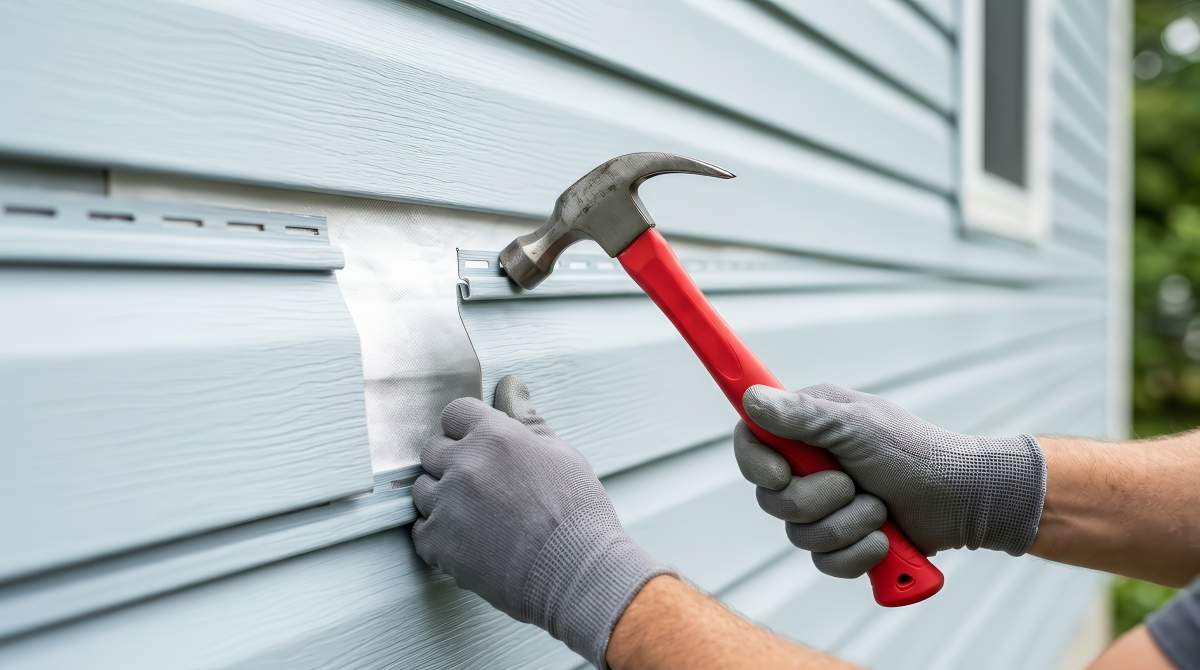
Winter is generally less suitable for:
- Large roofing projects during snow or ice
- Exterior painting in freezing conditions
- Concrete work without proper temperature control
- Masonry repairs during repeated freeze-thaw cycles
- Wood staining or sealing on damp surfaces
- Projects requiring open access around the entire home
Cold-weather installation is not automatically defective, but it requires materials and methods designed for those conditions. A project should not proceed simply because the calendar is convenient.
How do Reading’s seasonal conditions affect planning?
Local homes experience a mix of winter freezing, spring rain, summer humidity, and fall temperature changes. Older houses may have masonry foundations, wood trim, enclosed porches, steep roofs, or additions that respond differently to moisture and temperature.
Freeze-thaw cycles can enlarge small cracks in masonry, concrete, and exterior coatings. Heavy rain can reveal grading or drainage problems that are not obvious during dry weather. Summer humidity can slow the drying of wood and painted surfaces. Wind can also affect roofing, siding, screens, and temporary coverings.
Because of these conditions, the most useful planning approach is to separate projects into two categories:
- Weather-sensitive projects: Painting, staining, concrete, mortar, sealants, roofing adhesives, and some replacement materials.
- Condition-sensitive projects: Structural repairs, drainage corrections, rot removal, flashing repairs, and water-intrusion work.
Condition-sensitive repairs should not be postponed merely because the preferred season has passed. Weather-sensitive finishing work may be scheduled for a more favorable window.
Should repairs be completed before a larger remodel?
Yes. Repairs should generally come before cosmetic improvements. New siding, paint, or trim cannot reliably correct unresolved water entry, structural movement, drainage problems, or deteriorated sheathing.
Before remodeling, check whether water is reaching the home through:
- Roof edges and flashing
- Window and door openings
- Cracked exterior walls
- Improperly sloped ground
- Damaged gutters or downspouts
- Porches, decks, and attached structures
A seasonal plan that begins with inspection and repair often produces better results than starting with visible finishes. It also makes it easier to determine whether the project can be completed in one season or should be divided into phases.
What is the practical rule for choosing a start date?
Choose the earliest period that provides suitable conditions for the specific work, but avoid rushing a project into poor weather. For many homes, that means inspecting in early spring, completing repairs in late spring or summer, and reserving early fall for finishing work or preparation for winter.
The right timing also includes household logistics. Consider access to doors and driveways, outdoor events, school schedules, pets, landscaping, and the possibility of temporary heating or weather protection.
Exterior remodeling is most successful when the season supports the material, the home is prepared for disruption, and urgent problems are handled before cosmetic work begins.